
What do Early Career Psychologists Want from KPA?
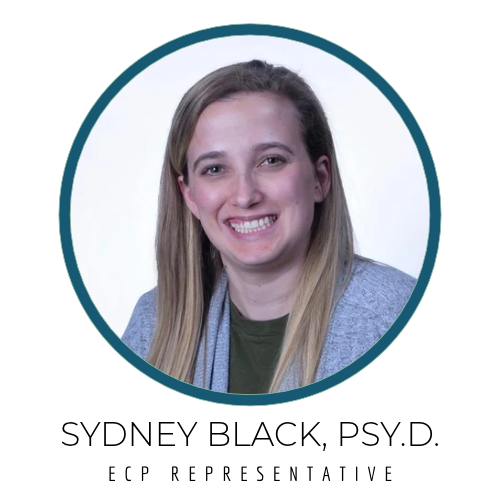
As the Early Career Psychologist (ECP) Chair for the Kentucky Psychological Association (KPA), I have been asked several times: What exactly does it mean to be an ECP?
By definition, an Early Career Psychologist is someone who has earned their doctorate in psychology and is within the first ten years of their career. If you are approaching your tenth year since earning your doctorate, take a moment to reflect on everything that has happened since graduation. What stands out to me? Entering the workforce just before a global pandemic, learning to transition to telehealth, pivoting to working from home, navigating an evolving professional landscape, and adapting to a cultural shift toward more opportunities for virtual connection, just to name a few.
For those of us who graduated more recently, these changes were not necessarily things we had to learn after entering the workforce. In many ways, they became part of the professional world we were introduced to during graduate school. But how do we take what we learned in graduate school and translate it into the "real world" of being a psychologist? Perhaps more importantly, how do we navigate the professional, personal, and unexpected challenges that come along with building a career?
To be transparent, I am entering my fifth year since graduating from Spalding University's PsyD program. During that time, my life and career have taken several unexpected turns. I moved states, experienced the sudden and unexpected loss of my partner, and ultimately made the decision to return to Kentucky and step away from clinical work to prioritize my own well-being. At the time, I was not entirely sure what my career as a psychologist would look like moving forward. However, one thing I knew was that I wanted to remain connected to the profession.
Having been involved with KPA as a graduate student, I decided to explore what other opportunities might be available. Since then, I have obtained my license and have gradually begun rebuilding my clinical career. Along the way, my involvement with KPA has provided something beyond professional development or opportunities to build my resume: an additional sense of community and connection with other psychologists.
And that brings me to the reason for this article.
I want to hear from my fellow ECPs. What do you want from KPA? What opportunities, programming, or connections would make your membership more meaningful? Would you like more opportunities for mentorship, networking, continuing education, or leadership development? Maybe you are just looking for a space to connect with other psychologists who understand the unique experiences and challenges of navigating the early stages of a career in psychology. That is what I’m here to do!
As your ECP Chair, I want to help create opportunities that reflect what early career psychologists actually want and need. However, I cannot do that without hearing from you. I want the ECP community within KPA to be more than a membership category. I want it to be a place where early career providers can build relationships, find support, develop professionally, and feel connected to a larger professional community.
So, let's start a conversation!
If you haven't already, I encourage you to join our Early Career Psychologists community page on KPA's new platform:
Join the ECP Community:
https://kpa.app.clientclub.net/communities/groups/early-career-professionals/home?invite=6afcf9dee22937e7c3cd037f
I would also love to hear directly from you. My inbox is always open at
sydneyblackpsyd@gmail.com. Prefer something like LinkedIn? You can find me here:
www.linkedin.com/in/sydney-black. Whether you have an idea for a future event, want to get involved, have a question, or simply want to connect with another early career psychologist, please reach out. Come join the conversation!